
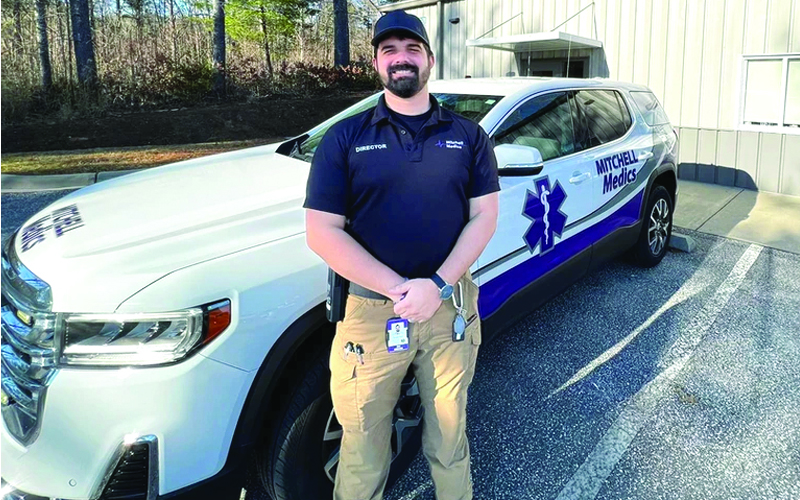
As the opioid crisis continues to grip the nation, Mitchell Medics is spearheading a revolutionary transition to narcotic-free pain management for emergency medical care. This initiative comes in response to several alarming statistics. Overdose deaths in North Carolina surged by 40% in 2020 over previous years, while almost half of adults in Western North Carolina report that substance misuse has negatively affected their lives.
One of the individuals behind this campaign, Mitchell Medics EMS Director Bryant Reid, has confidence in the protocol changes, stating that he “hopes this will set the bar” for other providers to follow suit. He is keen to incorporate Penthrox, known as the “green whistle”, a non-opioid pain relief used extensively in Australia and Europe. This analgesic (pain reliever) offers a swift and potent alternative to opioids, reducing the severity of pain without the risks associated with opioids in terms of adverse effects and potential for misuse.
“These are great treatments that will treat pain just as well, if not better,” said Reid, who is optimistic about outcomes. “We’ll just have more options.”
Mitchell Medics’ strategy is not just about eliminating opiates but diversifying and improving care.
They are currently in the process of revising all the protocols, procedures, and medical formularies. This extensive overhaul requires a rigorous review and approval process. After the review, comprehensive training will ensure that providers are fully informed, confident, and capable in administering the new pain management options.
“We are being meticulous in the process and taking our time to research and consult... we are moving slowly to get it right,” emphasizes Reid. They are working towards a July 1 target to implement these groundbreaking changes.
By offering non-opioid alternatives, Mitchell Medics also hopes to alleviate the dilemma faced by those recovering from a substance use disorder who wish to avoid opioids, ensuring that pain management does not compromise their recovery.
The physician advocating for these changes, Dr. Gabriel Cade, a Mitchell County native and the current Medical Director, has seen the devastating impact that opioids have had on our community firsthand, stating that “every step of the healthcare system, from primary care, urgent care, EMS care, to emergency department, inpatient and discharge care, offers an opportunity to address this opiate exposure.”
Cade remains confident that the program will take Mitchell County into the future of pain management in terms of treatment. “There are very few, if any, EMS systems in the country that are reaching for a goal like this. We have the opportunity to significantly enhance the safety of our care for our community, but also to produce research papers and information that could affect change in EMS and prehospital care nationwide,” he said.
Cade emphasizes the advantages of implementing these changes in Mitchell County. He highlights the ideal size of Mitchell Medics, which allows for effective staff education and monitoring, and a sufficient volume and variety of medical cases to evaluate the effectiveness of new protocols. Cade also notes that introducing new concepts in larger healthcare settings can be difficult, making the relatively smaller scale beneficial.
Reid views this initiative as a tremendous victory not only for the patients but also for the community at large, which has been deeply affected by the opioid crisis. He believes that by taking this first step, Mitchell Medics can inspire other emergency care providers to follow suit, potentially leading to a broader state, regional, and national movement towards safer, more effective pain treatment options.