
By Felix Stith
Due to the recent substantial rainfalls in Western North Carolina, there will be a break from the Changing Forests Toe Talk article series to discuss stormwater.
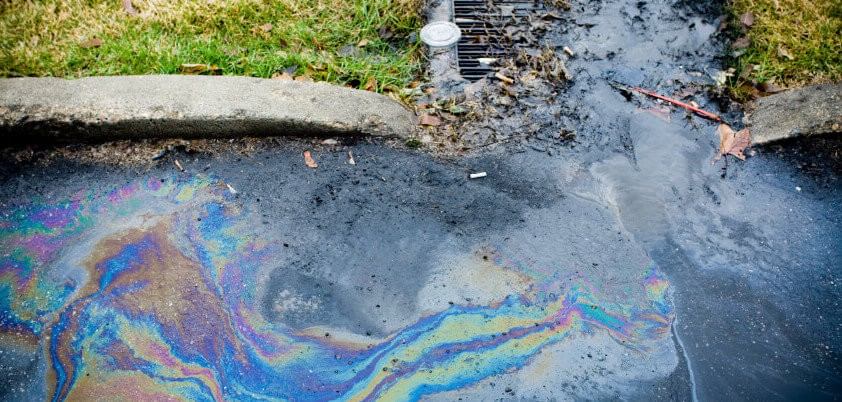
Stormwater runoff is water after precipitation (rain, snow and sleet) that flows over the ground directly into streams and other bodies of water. Impervious, hard and compacted surfaces (roofs, roads, etc.) increase the amount of stormwater runoff and prevent runoff from entering the ground and from recharging the groundwater. In forested settings, there is little to no runoff, while in urban, residential and developed areas there is a lot. Because stormwater runoff does not have the opportunity to infiltrate or enter the ground and quickly enters water bodies, it causes flash flooding. Stormwater also causes erosion, habitat loss, and destabilization of land and property. In urban, developed, agricultural and residential areas, stormwater runoff collects pollutants including sediment, trash, debris, oils, chemicals and fertilizers into our waterways.
Unlike groundwater, which is cooled by being underground and enters bodies of water through springs, runoff never enters the ground and is often heated by surfaces such as pavement. In WNC, ground and spring water is about 56-degrees Fahrenheit all year, even in summer. Surface temperatures can be much higher than the air or underground (think of a parking lot on a sunny day, versus the temperatures of local rivers and streams). When heated stormwater runoff enters a body of water, it is known as “thermal shock” and is detrimental to aquatic organisms that depend on cool water, such as trout. Because of all these factors, stormwater runoff greatly diminishes water quality and aquatic habitats. Stormwater runoff is rarely treated and enters streams directly or through storm drains and sewers.
There are simple techniques to treat or significantly reduce the impacts of stormwater, such as Stormwater Control Measures, or SCMs, also called Best Management Practices, or BMPs, which are used to protect and improve our surface and groundwater. SCMs are structural, vegetative or management practices installed to treat, slow and reduce stormwater runoff.
Phytotechnology is a fancy word that combines “phyto,” meaning plants, and technology. It means technologies or structures that use plants to remove or contain pollutants in soils and water. This can even be a small rain garden in a residential front yard. Phytotechnologies are very applicable to SCMs. Phytotech systems use plants because of the chemical reactions that occur in between the roots of plants, microbes, water, and soil. The atomic compounds from photosynthesis (how plants breathe) and oxygen released around the root zone of plants help to transform and breakdown pollutants contained in stormwater runoff. These compounds also promote microorganism growth, which breakdown pollutants even faster and more effectively. Essentially phytotech SCMs are relatively simple infrastructure that often models a natural forested wetland and creates an effective ecological system that cleans stormwater runoff.
Some types of SCMs include:
• Extended detention basin: its primary function is to hold back large flushes of stormwater and release it at a slow rate. This protects the river and stream banks from erosion and dramatically reduces the temperature of stormwater, reducing thermal shock to the river. Sediment also settles in the basin, reducing the amount of sediment that enters water bodies.
• Silt fence: often seen on construction sites, black fabric that serves as a filter to let the water escape, but traps the sediment.
• Cisterns: a method of collecting and storing rainwater for future use. It reduces the amount of runoff leaving a site.
• A bioretention area or cell a type of SCM that uses phytotechnology. A bioretention area is a large, engineered rain garden. Bioretention uses plants and soil for removal of pollutants from stormwater runoff and contains or prevents contaminants such as sediment, heavy metals, gas, oil and pathogens from entering water bodies. A bioretention area consists of a depression in the ground filled with a soil mixture that supports various water-tolerant plants and allows for stormwater to enter.
• Vegetative swales or bioswales: SCM drainage structures that also use phytotechnology. They are planted with grasses that slow the water, allowing it to enter the ground and filter pollutants before the water leaves the site.
The Pinebridge Coliseum Campus (future Three Peaks Enrichment Center) in Spruce Pine is comprised of a large building and large parking area. Pinebridge was previously an ice hockey and multipurpose arena. The Pinebridge Campus is currently being renovated and is under the new ownership of Mayland Community College. It will include a restaurant, bar, cosmetology department, event space, and a living-learning campus that showcases sustainability.
Previously at Pinebridge, most of the runoff was captured in storm pipes and removed from the sites without treatment and with high velocities. This was a large source of heated, polluted water for the North Toe River, and caused erosion and long term land stability issues. Because of these issues, SCMs, phytotechnology stormwater treatment and rainwater harvesting are being applied as part of the Pinebridge Campus renovation. A variety of partners are working together to achieve this goal, including Blue Ridge Resource Conservation & Development, or RC&D, Mayland Community College and Mitchell Soil and Water Conservation District.
A bioretention area within the parking area is being installed to capture and treat stormwater runoff at the source. The bioretention area will be planted with native plants that help slow the water, remove pollutants, and provide landscaping and habitat enhancement. An extended detention basin, vegetative swale, and cistern are also being added on-site to reduce, cool, and treat the stormwater runoff before it reaches the North Toe River. Plants are also being used on-site in a soil phytoremediation process, in which the plants will remediate the soil by taking up heavy metals and other pollutants. As phytotechnologies are leading SCM infrastructure advances, the site design and installation will be used as a model of how to enhance SCMs and implement pythotech systems within mountainous regions nationwide.
Blue Ridge RC&D is involved in many waterway projects to improve water quality and prevent property loss and damage from erosion and flooding. The Pinebridge Coliseum renovation is a large-scale project. Still, projects that relate to stormwater runoff, erosion and water quality can be done on much smaller scales, even down to planting a flower or shrub along a streambank. In recent years, Blue Ridge RC&D has implemented other water resource-related projects including an artificial wetland at Avery High School, Alleghany County High School bioretention cell, Grassy Creek stream restoration and Overmountain Victory National Historic trail construction, Todd Island Park restoration, Cane River dam removal, Middle Fork Greenway restoration, among others.
Many water resource projects relate to riparian zones, the area next to streams and rivers, and the interface between land and water. A riparian zone that has plants can remove pollutants and will slow down or prevent stormwater runoff from directly entering a stream and prevent property damage, loss and effects from flooding. Improving riparian zones is often cheap and easy.
Where does the water go from your driveway or street when it rains? Does it run directly into a drain or stream, or does the water enter an area with plants that allow the water to slow down? If it runs directly into a stream, maybe consider installing water bars on the driveway to divert the water before it reaches the stream. Or plant some flowers, shrubs, live stakes, or trees to form a buffer or riparian zone. Not mowing or weed-eating along streams (something that requires no work or money) is a useful technique that allows a natural riparian zone to occur. This may appear “grown-up,” but drastically improves wildlife habitat, water quality, and benefits the landowner as it reduces erosion, property loss, and flood damage.
It is easy to forget about water, but each time it rains or snows, water hits the earth and begins a long course to the ocean. Rain is usually clean, without sediment, trash, debris, oils, chemicals, and fertilizers in it, but when rain reaches the surface as stormwater runoff, it can quickly collect these pollutants. The short-lived first part of the water’s course, as stormwater runoff, is often the most impactful and harmful to water quality. Once the water is polluted and enters a stream or river, it will remain polluted to the ocean and will continue to remain polluted once in the ocean. It is essential to remember our downstream neighbors. Our headwaters in Western North Carolina high the mountains will travel down rivers that serve as millions of people’s drinking water sources before passing through New Orleans and entering the ocean.
Toe Talk is a monthly article supported by local partners highlighting watershed and community news. The Toe-Cane Watershed Coordinator position is working to improve water quality and gain associated economic benefits in the watershed by providing education and technical resources and implementing on-the-ground projects. Visit www.blueridgercd.com/ or contact Felix Stith, Toe-Cane Watershed Coordinator for the Blue Ridge Resource Conservation & Development at toecane.edu@gmail.com or by calling 828-279-2453.